





 Analysis results
Sustainable Development
University Medical Center
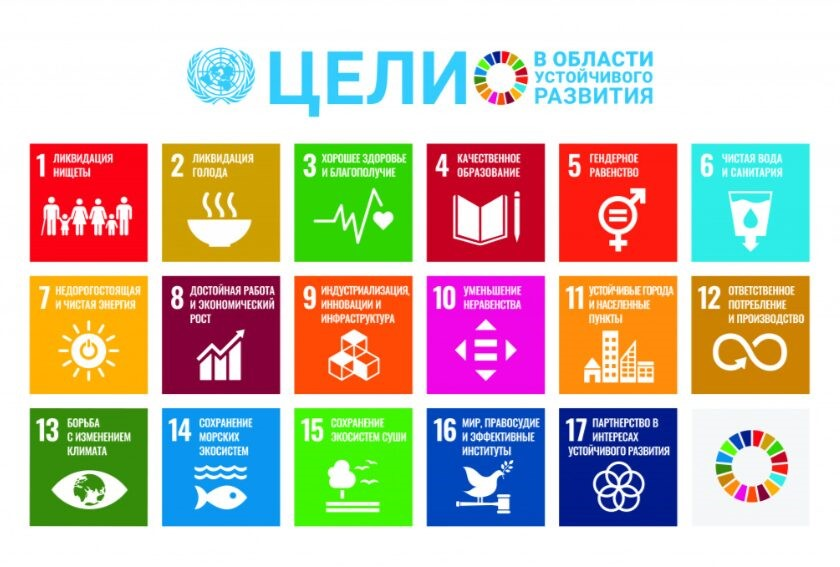
UMC is committed to the principles of sustainable development and green technologies in accordance with:
- The 2030 Agenda for Sustainable Development (UN);
- ESG standards (Environmental-Social-Governance);
- Joint Commission International (JCI) standards.
We recognize the importance of environmental responsibility and strive to reduce the environmental impact of medical activities while maintaining high-quality healthcare.

Our goal
Creating an environmentally sustainable clinic that:
- uses resources efficiently;
- minimizes medical waste;
- reduces its carbon footprint;
- and contributes to improving the health of both patients and the planet.
Key areas of UMC sustainable development
UMC awareness and commitment to sustainable development
- Mandatory training for staff and residents on sustainable development.
- Raising awareness of the impact of climate on human health.
- Informing patients about simple eco-friendly practices in the healthcare facility.
- Developing a culture of sustainable behavior.
Reducing UMC environmental impact

Energy efficiency and energy conservation
- Implementation of energy-efficient lighting, heating, and ventilation systems.
- Improving energy efficiency of buildings and equipment.
- Installation of automated energy management systems.
- Exploring the use of renewable energy sources.

“Green” medical practices
- Implementation of environmentally sustainable clinical solutions and technologies, and improvement projects (“green operating rooms”, eco-friendly surgical practices, etc.).
- Optimization of medical gas use.
- Use of reusable medical products (where safe).
- Optimization of sterilization and use of disinfectants.

Rational use of water resources
- Optimization of water consumption.
- Reduction of water losses.
- Implementation of water-saving solutions.

Smart waste management
- Reduction of single-use materials.
- Use of safe methods for disposal of hazardous waste.

Document management and digitalization
- Further automation of processes.
- Reduction of paper consumption at all levels.

Eco-friendly design and sustainable construction
- Use of eco-friendly building materials when upgrading premises.
- Application of “green” design principles in infrastructure projects.

Greening, eco-environment, and sustainable nutrition
- Development of green areas on the UMC campus.
- Improving air quality and comfort for patients and staff.
- Development of sustainable nutrition (local products, vegetarian options).
Reducing the environmental impact of the supply chain
- Environmental sustainability criteria are part of UMC procurement principles.
- Priority is given to local (domestic) suppliers of goods, works, and services.
- Formation of consolidated (aggregated) lots to reduce logistics operations and deliveries, transportation load, and carbon footprint.
Infrastructure and healthcare services resilience
- Analysis of climate, environmental, and man-made risks.
- Development and regular updating of emergency response plans.
- Ensuring continuity of medical care.
- Ensuring backup power supply and critical resources, as well as protection and resilience of IT systems.
- Development of energy-efficient and sustainable infrastructure for buildings and equipment.
Monitoring and reporting
- Detailed indicators and regular monitoring.
- Reports on sustainable development progress.
- JCI compliance audit and UMC compliance expertise.
Sustainable development at University Medical Center —
a contribution to the future
We are confident that sustainable development is an integral part of modern medicine. University Medical Center strives to become one of the first clinics in Kazakhstan to implement JCI standards, creating a safe and environmentally friendly medical environment for future generations.